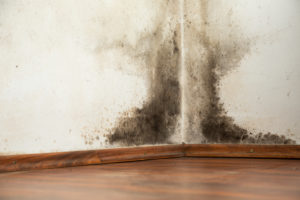
Mold can be found anywhere, especially in Southwest Florida. It’s muggy, moist, and hot down here. Mold is a health hazard and can cause people to contract breathing problems, depressions and can impair the entire human system and can possibly even lead to death. Some mold can be seen, but some mold is unseen, which is even more dangerous. We could be breathing it. Good thing we have mold assessors. Yes, it’s an actual career.
Mold accessors perform an assessment of mold in a building or home by taking a physical sample and detailed evaluation. They create a detailed evaluation of the building comes from the building’s history and their inspection to figure out where the origin of the mold was, what kind it is and what the extent of the removal will be. Mold can often be a warning sign of structural issues with a building or home, as well, so these issues need to be addressed quickly by a mold accessor.
The mold accessor will address a remediation (removal) of the mold, which involves cleaning, sanitizing, demolition, and other treatments. In Florida, mold assessors need to be licensed by the Department of Business and Professional Regulation; they also need to possess a state-issued mold assessor license. The state also requires that a mold accessor meets specific educational guidelines and stay current by continuing education credits. Florida mold accessors are also required to have insurance coverage.
Mold accessors need to stay up to date on the latest technologies, codes and approaches to mold assessment and abatement because they are constantly changing. A mold accessor is expected to take at least 14 hours of continued education every two years to keep up with changes.
A great accessor has a full understanding of the full cycle of assessment and remediation with mold. Have you thought about getting your mold assessor or mold remediator license? We can help! There are lots of items to pull together to get your license, we can help you make the process smooth and simple. To contact us, click here or call 239-777-1028.
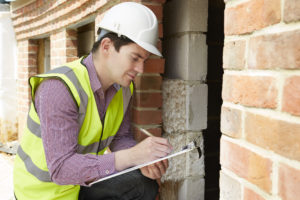

 Just like many other professions, contractors have to prepare and take a contractor’s license exam. In Florida, a contractor must pass this exam in order to be a licensed general contractor. In Florida, a certified contractor is a contractor who has a certificate of competency issued by the.
 Contractors should get liability insurance. Better to be safe than sorry, right? This coverage helps protect business owners, contractors, and homeowners from liability related to on-job accidents, products, and other forms of liability like contractual liability. Worker’s compensation cannot protect people from liability, but this insurance can.
 Contractors need to be on top of everything in their industry. Why? For many reasons! By staying up with current technologies, rules, developments, contractors remain relevant, knowledgeable, on top of their game, and are able to compete with other contractors for jobs. There are many technology tools out there to help contractors bring their expertise and business to a whole other level.
 Contractors have a lot to think about, know, and learn on a daily basis. A contractor’s job is constantly evolving as time, guidelines, methods, the environment, and people’s needs change. This means, a contractor has a lot to know whether he or she is about to become a contractor or has been one for many years.